Nancy Farmer (born Phoenix, Arizona, 1941) writes books for children. She has received three Newbery Honor Awards: in 1995 for The Ear, the Eye and the Arm, in 1997 for A Girl Named Disaster, and in 2003 for The House of the Scorpion (which also received a 2003 Printz Honor Award). Children can learn more at: Nancy Farmer.
Elias Howe (born Spencer, Massachusetts, 1819; died Brooklyn, New York, October 3, 1867) invented the sewing machine. Children could see a patent of the sewing machine at: Sewing Machine Patent.
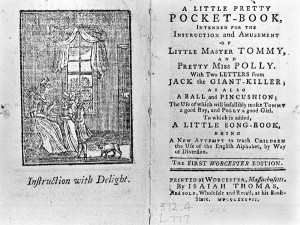
A Pretty Little Pocketbook
John Newbery (born Great Britain, 1713; died Great Britain, December 22, 1767) is one of the first publishers of children’s literature. Experts believe he wrote some of the books he published. The title of one of his books is A Little Pretty Pocket-Book, intended for the Instruction and Amusement of little Master Tommy and pretty Miss Polly….The American Library Association named one of its major awards after him, the Newbery Medal. The Newbery honors the best writer of a children’s book published in the previous year. Children can read more about Newbery and the Newbery Medal from Children’s Book Award Handbook by Diana F. Marks.
 Declaration of Independence was read publicly for the first time in Philadelphia, Pennsylvania, in 1776 by Colonel John Nixon. The Liberty Bell tolled to bring citizens to hear the reading. Children can read a copy of the Declaration of Independence at: Declaration.
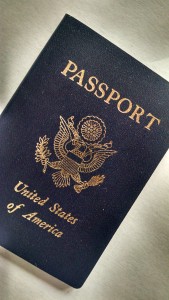 State Department issued the first passport in 1796. Francis Maria Barrere received the document. Idea: Children could perhaps see a passport and learn how passports are issued. Older children can read a history of US passports at:
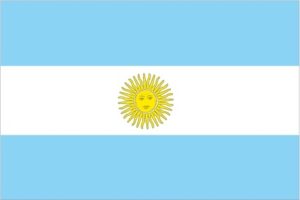
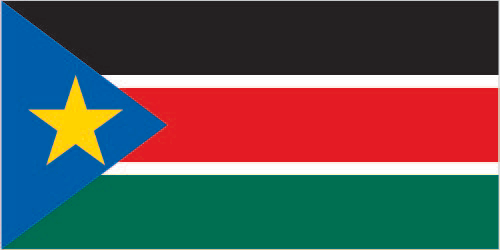 South Sudan celebrates Independence Day. This land-locked country voted to secede from Sudan in 2011. South Sudan’s area is a bit smaller than the area of Texas. The White Nile flows through the center of the country, and the climate is hot with seasonal rains. Most of the twelve million people survive on subsistence farming, and Juba is the capital.
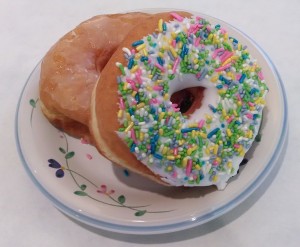 Doughnut cutter was patented by J. F. Blondel of Thomaston, Maine in 1872. Blondel did not invent doughnuts, but he patented a spring-loaded cutter that sped up the doughnut-making process. Now about ten billion doughnuts are consumed in the United States each year. Children could survey friends and family about favorite types of doughnuts (cake v glazed, sprinkles v no sprinkles, etc.). Older children could read a history of doughnuts at:
 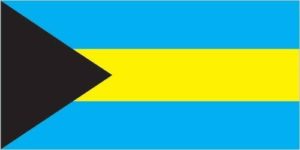 Bahamas celebrate Independence Day. The islands became free of British rule in 1973, although the country is still part of the British Commonwealth. Almost 700 islands make up the country, but the combined area is equal to the area of Connecticut. Over 300,000 people live there, and many of them earn livings from tourism. The country’s capital is Nassau.