
Aaron Copland (born Brooklyn, New York, 1900; died North Tarrytown, New York, December 2, 1990) was a composer. Two of his most famous works are Fanfare for the Common Man, composed in 1942, and Appalachian Spring, composed in 1944. Older children could learn more at: Aaron Copland.
Robert Fulton (born in what is now Fulton Township, Pennsylvania, 1765; died New York, New York, February 24, 1815) did not invent the steamboat, but he did make it practical. Children could learn more at: Robert Fulton.
Leo Hendrik Baekeland (born Ghent, Belgium, 1863; died Beacon, New York, February 23, 1944) invented Bakelite, an early plastic. Today’s children find plastic all around them. They could list ten items made of plastic and then try to find out what those items were made of before plastic was around.
Mamie Geneva Doud Eisenhower (born Boone, Iowa, 1896; died Gettysburg, Pennsylvania, November 1, 1979) was America’s First Lady from January 20, 1953 to January 20, 1961. She was the wife of Dwight D. Eisenhower, thirty-fourth president of the United States. Because he was a military officer for many years, they lived in a variety of places. She enjoyed her years as First Lady. Children could visit a website at: Mamie Eisenhower.
Astrid Lindgren (born Vimmerby, Sweden, 1907; died Stockholm, Sweden, January 28, 2002) was a children’s author. She is famous for her books about Pippi Longstocking. Children could visit a wonderful website with great photos and a wonderful timeline at: Astrid Lindgren. The Astrid Lindgren Memorial Award was created by the Swedish government in 2002 to honor children’s writers and illustrators. The award is not given for a specific work but for a lifetime of achievement. A cash prize of five million Swedish crowns (about $665,000) accompanies the award. The Swedish National Council for Cultural Affairs administers the award. The winners are announced in March in Vimmerby, Sweden, Astrid Lindgren’s hometown. The winners receive their awards in May in Stockholm, Sweden. Visit the Astrid Lindgren Memorial Award website: ALMA. Children could learn more about Astrid Lindgren and the Astrid Lindgren Memorial Award by consulting the Children’s Book Award Handbook, by Diana F. Marks.
Patricia Miles Martin, aka Miska Miles (born Cherokee, Kansas, 1899; died San Mateo County, California, January 2, 1986) wrote over 100 books for children. She received a 1972 Newbery Honor Award for Annie and the Old One. Other works include Small Rabbit and Gertrude’s Pocket. Children could learn more at: Miska Miles.

Claude Monet Sculpture at Dallas Arboretum and Botanical Gardens
Claude Monet (born Paris, France, 1840; died Giverny, France, December 5, 1926) was a painter. One of his early paintings was entitled Impression: Sunrise. The painting conveyed his emotions regarding the scene. The title started the movement of impressionism. Children could visit a website at: Claude Monet. They could also read A Blue Butterfly: A Story about Claude Monet, by Bijou Le Tord. Idea: Students could listen to Aaron Copland’s music as they view prints of Monet’s paintings. They could find out how both creative geniuses used emotion and feelings.
Jawaharlah Nehru (born Allahabad, India, 1889; died New Delhi, India, May 27, 1964) was India’s first prime minister after it became an independent country.
William Steig (born New York, New York, 1907; died Boston, Massachusetts, October 3, 2003) was a children’s author and illustrator. He wrote, among other works, Abel’s Island which received a 1977 Newbery Honor Award, and Doctor De Soto, which received a 1983 Newbery Honor Award. His Sylvester and the Magic Pebble received the 1970 Caldecott Award, and The Amazing Bone was a 1977 Caldecott Honor Book. Notice he earned both Newbery and Caldecott Awards – quite an accomplishment! Children could learn more at: William Steig.


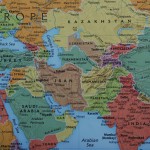 Geography Awareness Week stresses the importance of local and global geography. It is sponsored by the Geography Education Program of the National Geographic Society. Held during the third week in November since 1987, this year’s week runs from November 16 to November 20. One easy but very informative activity is the Global Closet Calculator, where children locate the origin of their clothing and shoes. Children and adults can learn more at:
